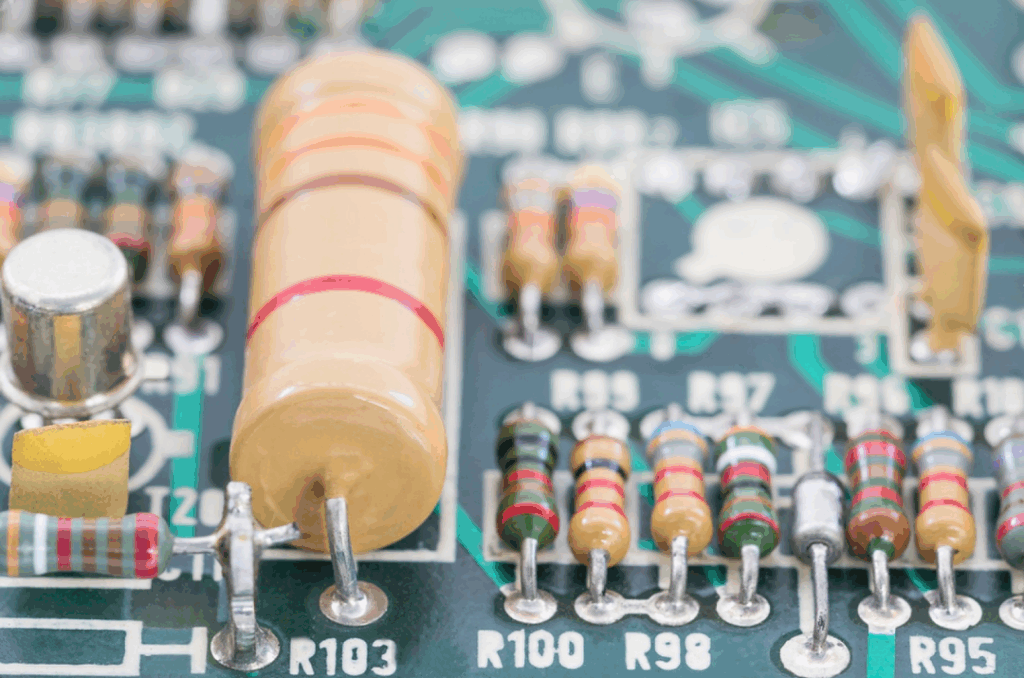
When designing a new electronic product, one critical decision is choosing the right assembly process: Surface Mount Technology (SMT) or Through-Hole Technology (THT).
At Epsilon Electronics, we’ve supported hundreds of startups and OEMs across India in navigating this decision. Here’s what you need to know.
Understanding SMT – The Industry Standard
SMT allows for direct placement of components on the PCB surface, enabling:
Compact board designs for modern devices
Fast, automated assembly using pick-and-place machines
Cost-efficient high-volume manufacturing
We recently helped a Bengaluru-based IoT company reduce their unit cost by 27% with a fully SMT-based BOM.
Where THT Still Shines
THT requires drilling holes into the PCB, allowing component leads to pass through for soldering. It’s ideal for:
High-vibration or rugged environments
Power electronics needing higher current support
Prototypes that require rework
For example, we used THT for a control unit in mining equipment where mechanical reliability was critical.
SMT vs THT – Use Case Comparison
PCB with PTH Parts
PCB with SMT Part
Project Type
Preferred Tech
Reason
Smartwatch PCB
SMT
Space-saving, cost-efficient
EV Motor Controller
Mixed
SMT for logic, THT for power section
Agri Sensor Node
SMT
Compact and low-cost
Railway Signaling Unit
THT
Mechanical integrity in harsh conditions
What We Recommend at Epsilon Electronics
There’s no universal answer — and that’s why our engineering team works with you during the design phase to find the best solution. Whether it’s SMT, THT, or both, we focus on:
Cost optimization
Component availability
Manufacturability and quality
Our Capabilities
We offer complete SMT and THT assembly in-house, including:
High-speed SMT lines
Wave soldering and manual THT assembly
Quality inspection with AOI and functional testing
Support for low-volume, high-mix and large-scale production
Let’s Discuss Your Project
If you’re unsure about which assembly process to use, let’s talk. We offer: